Before any competition ball is certified for official match play, it must pass a stringent sequence of robotic laboratory stress tests conducted inside environmentally regulated test chambers.
Inside the Lab: How FIFA® Quality Pro Balls are Tested
By Quality Assurance Lab • 2026-05-18
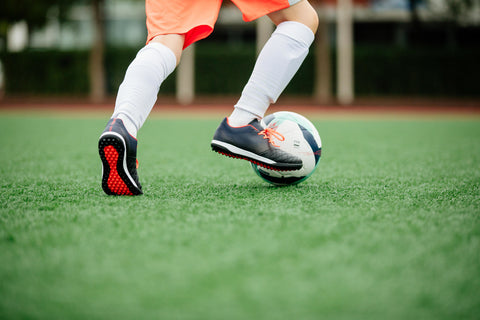
Detailed analysis of the rigorous laboratory stress tests: water absorption, circumference retention, sphericity, and shooting drum cycles.
Further Reading

Manufacturing
5 min read
Soccer Ball Printing Techniques: Silkscreen vs. Digital UV & Foil
How club heraldry, Pantone colors, and sponsor logos are bonded onto synthetic PU panels using specialized ela...
Technology
6 min read
Thermo Bonded vs. Hand Stitched: Which Ball is Best for Your Club?
An objective engineering breakdown comparing heat-fused seamless balls with traditional double-knotted hand-st...
Materials
4 min read
Butyl vs. Latex Bladders: Why Match Balls Hold Air Differently
Understanding air retention chemistry, counter-balanced valve weights, and how the internal core dictates true...