Modern football takes place across diverse surfaces, from dew-covered natural grass and abrasive synthetic turf to indoor wooden gymnasiums. Matching ball construction to pitch conditions protects both player safety and equipment longevity.
Pitch Surface Guide: Selecting Balls for Natural Grass, 3G Turf, and Futsal
By Coaching Advisors • 2026-07-22
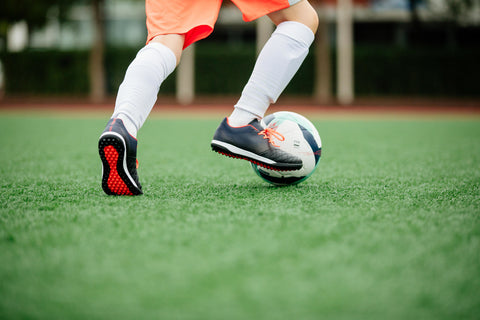
How abrasive artificial turf impacts outer PU casing wear, and why different foam backing densities are required for different playing surfaces.
Further Reading
Manufacturing
5 min read
Soccer Ball Printing Techniques: Silkscreen vs. Digital UV & Foil
How club heraldry, Pantone colors, and sponsor logos are bonded onto synthetic PU panels using specialized ela...
Technology
6 min read
Thermo Bonded vs. Hand Stitched: Which Ball is Best for Your Club?
An objective engineering breakdown comparing heat-fused seamless balls with traditional double-knotted hand-st...
Engineering
7 min read
Inside the Lab: How FIFA® Quality Pro Balls are Tested
Detailed analysis of the rigorous laboratory stress tests: water absorption, circumference retention, spherici...